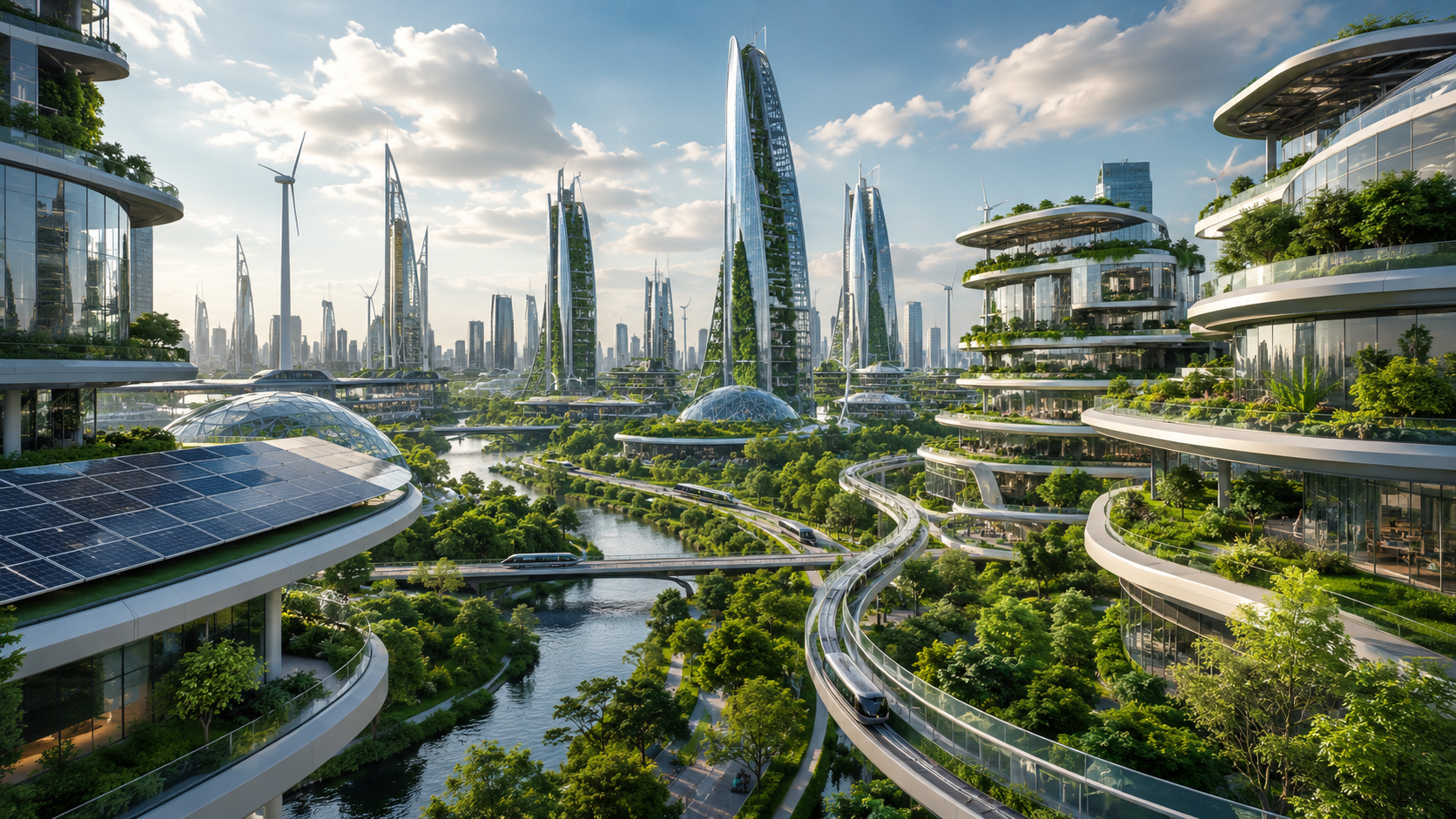
In a world where natural resources are finite, the way we manage our consumption becomes essential to ensure a sustainable future. Imagine an economic system that mimics natural cycles, where everything produced returns to the production chain, creating a continuous and harmonious flow. This is the promise of the circular economy, a paradigm that starkly contrasts with the traditional linear model, based on "extract, produce, discard".
Introduction to Circular Economy
Unlike the linear model, the circular economy aims to keep resources in use for as long as possible, extracting the maximum value from them. This is achieved through practices such as recycling, recovery, and redesign of products. This concept not only reduces waste but also challenges industries to innovate in technology and production practices.
Environmental and Economic Benefits
The positive impact on ecology is immense: reducing the extraction of natural resources alleviates pressure on ecosystems. Moreover, according to the Environmental Protection Agency, circular practices can significantly decrease CO2 emissions. Economically, companies adopting this model report a reduction in operational costs and new revenue streams through the reintegration of materials into the production chain.
Promotion of Sustainable Resource Use
One of the pillars of the circular economy is raising awareness and changing consumption habits. Consumers are encouraged to choose durable and repairable products, promoting small changes from home to industry. By integrating reuse and renewal, we promote a healthier and more sustainable life cycle for products and the planet. Adopting such a mindset is not just a matter of economy but of balance and global well-being, reminding us of the importance of walking hand in hand with nature in search of harmony and regeneration.
The Role of Technological Innovation in Sustainability
Technological innovation is an essential pillar in building a more sustainable future. In this context, digitalization and the use of emerging technologies are redefining how we approach sustainability. These innovations not only facilitate the implementation of the circular economy but also promote more efficient use of natural resources.
Advanced Recycling Technologies
With the help of technology, new forms of advanced recycling are emerging, allowing waste to be transformed into new materials. For example, chemical recycling techniques break down plastic polymers into their base molecules, making their reuse easier. This advance in recycling contributes to pollution reduction and conservation of natural resources, creating a more sustainable product life cycle.
Digitalization and Circular Economy
Digitalization plays a crucial role in optimizing supply chains and waste management. Data analytics platforms and machine learning are used to predict demands and minimize waste. This data-driven approach ensures that resources are used intelligently, stimulating circular economy practices.
Nature-Inspired Innovations
Biomimicry is another promising technological innovation that imitates natural processes to solve human problems sustainably. For example, self-cleaning materials inspired by lotus leaves help reduce water and cleaning chemical consumption. This strategy not only conserves resources but also diminishes environmental impact.
In a world seeking balance and harmony, it is reassuring to see how technology can be a powerful ally in promoting a more conscious lifestyle connected to nature. By adopting these innovative practices, we take an important step towards a future where the well-being of the planet and its people is prioritized.
Circular Economy Practices in Industries
The concept of circular economy has proven essential for a sustainable future, promoting a paradigm shift in the way we produce and consume goods. Different industries are adopting circular practices, notably sustainable fashion, electronic technology, and the food industry.
Sustainable Fashion
In the fashion sector, visionary companies are redefining how we create and discard clothing. Brands are adopting practices like "upcycling", which transforms pre-consumer waste into new pieces with added value. The Swedish company H&M, for example, has implemented a used clothing collection program in its stores to encourage recycling and the reuse of textile materials.
Electronics
In the electronics industry, remanufacturing and recycling practices are becoming more common. Manufacturers like Dell have promoted the recycling of e-waste and the reuse of materials in new products. This approach not only reduces hazardous waste but also decreases dependence on virgin raw materials.
Additionally, innovation in machine learning is also helping in the development of algorithms that optimize device durability, extending their lifespan.
Food Industry
In the food sector, combating waste is a priority. Companies like Loop Mission in Canada are using food byproducts to create new products such as juices and snacks. This approach not only reduces waste but also maximizes the use of natural resources, creating a more resilient and sustainable value chain.
In summary, circular economy practices in industries are not just a passing trend; they represent a necessary and hopeful evolution of our economic system. By walking together towards a more responsible future, we can transform the world into a more harmonious and balanced place, where the health of the Earth and its inhabitants is prioritized.
Challenges and Opportunities in Implementation
Adopting circular economy practices can be a challenging path for many companies. Financial barriers are often one of the main obstacles, as transforming business models may require significant initial investments, both in infrastructure and in research and development of new processes. Furthermore, there is a cultural resistance that should not be underestimated, as instilling a mindset of reduction, reuse, and recycling requires a deep change in organizational culture.
Overcoming Financial Barriers
Companies may face difficulties in obtaining appropriate funding to start the transition. However, a creative approach can be to explore partnerships with innovative startups that already have eco-friendly technological solutions, enhancing positive impact. Additionally, exploring government incentives and tax benefits aimed at sustainable development can alleviate part of the financial burden.
Cultural Resistance and Education
Investing in training and educational programs can facilitate cultural transition. Creating dialogue spaces where employees can discuss and understand the benefits of the circular economy not only for the company but also for the planet is essential. Cultivating a collective awareness of environmental impacts can help mitigate resistance.
Innovation and Market Opportunities
The challenges mentioned also open doors for opportunities in the tech market. With the support of emerging technologies like machine learning and artificial intelligence, companies can optimize manufacturing processes, reduce waste, and discover new sustainable materials. The possibilities are vast, and by early adopting innovative technologies, companies not only stand out in the market but also strengthen their image as leaders in sustainability.
Emerging Technologies and the Future of Circular Economy
Every day, new emerging technologies are becoming essential to shaping a sustainable future through the circular economy. Technologies such as Artificial Intelligence (AI) and blockchain play vital roles in increasing efficiency and traceability in resource management.
Artificial Intelligence in Resource Management
AI has the potential to transform the circular economy by improving the efficiency of production processes, making them more sustainable. For example, machine learning algorithms can predict product life cycles, optimize material use, and reduce waste. For those looking to dive deeper, our introduction to machine learning offers valuable insights.
Traceability with Blockchain
When it comes to traceability, blockchain stands out by offering an immutable and transparent record of transactions. This technology allows the creation of circular supply chains, ensuring that each step of a product's life cycle is accurately monitored. Moreover, blockchain can increase trust between consumers and producers, as any attempt at data manipulation can be easily identified.
In harmony with holistic practices, these technologies provide a broader and deeper view of material flow, facilitating a conscious and careful management of our natural resources. Just like in a meditation practice, it is essential to maintain mindfulness and intention when implementing technologies that will impact our planet in the long term.
Beyond its application in the circular economy, AI is also revolutionizing other sectors such as healthcare and customer service. Disruptive examples can be discovered by exploring its role in customer service personalization and in discovering new medicines.
Success Case Studies: Circular Integration and Innovation
The integration of the circular economy with technological innovation is a fascinating phenomenon that has positively transformed various industries. Let’s explore two inspiring case studies that illustrate how this combination has promoted a more sustainable and prosperous future.
Lush Cosmetics: Sustainability in Packaging
Lush Cosmetics is an impressive example of how the circular economy can be incorporated into business practices. The company eliminated the use of traditional plastic packaging for its products. Instead, it uses recycled containers or biodegradable shells, a tangible example of innovation in sustainable design. This method not only significantly reduces waste but also reinforces the relationship of transparency and trust with consumers, aligning with the growing demand for ethical and eco-friendly practices.
Google: Energy Efficiency with Green Data Centers
Another shining example is Google, which has used machine learning technologies to optimize energy use in its data centers, making them more efficient in resource consumption. The implementation of AI has allowed a reduction of about 40% in energy consumption, in addition to decreasing carbon emissions, which is crucial for a healthier planet. This energy efficiency not only promotes significant savings but also supports the company’s mission to lead green initiatives.
These examples not only demonstrate the viability of the circular economy associated with advanced technology, but also offer valuable lessons on how business and innovation can walk hand in hand towards a sustainable future. By adopting circular and innovative practices, we can create a more balanced society that respects and cares for the environment and its resources. Always remember to consider the impact of each decision, adopting practices that benefit everyone and prioritize collective well-being.
The Role of the Consumer in the Circular Economy
In the circular economy, consumers play a fundamental role by adopting more conscious and sustainable practices in their daily choices. Understanding how our purchasing decisions can impact the environment and support sustainable businesses is essential for promoting a healthier future for the planet.
Conscious Consumption Choices
One of the main pillars for more conscious consumption is education about reusable materials and sustainable products. For example, opting for products made with recycled or biodegradable materials can significantly reduce the amount of waste in landfills. Natural beauty products that are not tested on animals are also choices that contribute to a positive environmental impact.
Efficient Recycling
Recycling correctly not only reduces the amount of rubbish but also supports the economy by reusing materials that would otherwise be wasted. Before discarding something, ask yourself: "Can I reuse or recycle this item?" Participating in local recycling and composting programs also helps minimize waste. Artificial intelligence can optimize recycling processes, which enhances our individual efforts on a larger scale.
Supporting Sustainable Businesses
Supporting companies that have sustainable and responsible practices is an important step. This includes prioritizing brands that use renewable energy, have fair labor practices, and reduce carbon emissions. An informed consumer can encourage more companies to adopt eco-friendly practices by planning their purchases and investing in conscientious brands.
To promote a circular economy, it is imperative that, as consumers, we become aware of the power we have to influence markets and legislations through our choices. Every decision counts, and together we can march towards a more sustainable and healthy future.
Conclusion
The transformation towards a sustainable future requires a synergy between technological innovation and circular economy practices. Throughout this article, we explored how these two strands, when integrated, can revolutionize our approach to natural resources, promoting a virtuous cycle of reuse, waste reduction, and environmental responsibility.
Collaboration as a Pillar
The power of this transformation lies in collaboration. Companies, governments, and consumers have crucial and interdependent roles. Companies must invest in technologies that enable cleaner and more efficient production processes. Governments, in turn, need to create policies that encourage the adoption of these practices while empowering research and innovation. Consumers, for their part, have the power to drive demand for sustainable products, serving as a driving force for change in the market.
Examples and Initiatives
There are already notable examples of industries that have fully embraced this model, such as the fashion sector, where textile recycling is drastically reducing environmental impact, and technology, where the use of artificial intelligence is revolutionizing everything from drug discovery to sustainable product design.
Practical steps include a commitment to renewable materials, investment in cutting-edge technologies to optimize resources, and continuous education of consumers about their choices and their impact. Emerging technologies like machine learning play a central role in analyzing data and optimizing resource use.
The journey towards a sustainable future is collective and requires ongoing efforts. May we adopt more conscious practices, positively influencing the course of business and the preservation of our planet. Together, we can make a difference. Action begins now: look for ways to implement circular solutions around you. Inspire change and be the change you wish to see in the world.